
public
The evolution of gambling tracing its roots through history

The evolution of gambling tracing its roots through history
The Origins of Gambling
The roots of gambling can be traced back to ancient civilizations, where games of chance were intertwined with daily life and cultural practices. Archaeological findings suggest that as early as 3000 BC, the Chinese were using rudimentary forms of dice made from bone. In addition, ancient Egyptians played board games that involved betting, indicating that the urge to gamble is a long-standing human inclination. This highlights that gambling was not merely a pastime but a significant aspect of social interaction in early societies, including modern times where one can easily find monopoly live score to keep track of games.
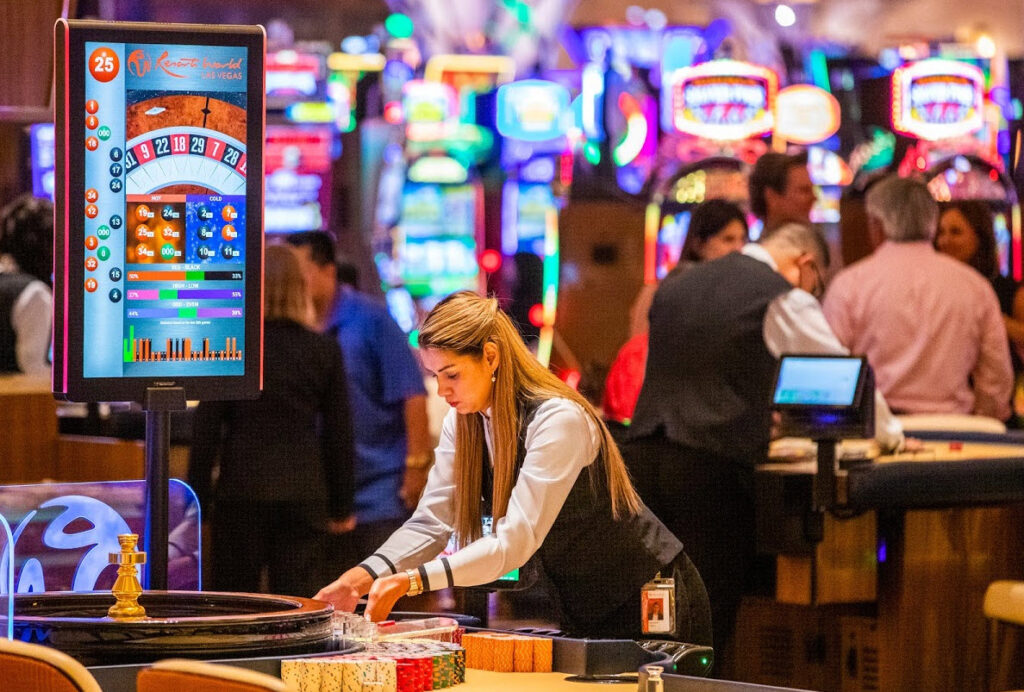
Over the centuries, various cultures developed their own gambling practices. The Greeks, for example, engaged in betting on athletic contests, especially during the Olympic Games. This tradition reflected the importance of competition and the excitement of chance, which resonated deeply within their society. Similarly, the Romans organized elaborate games and betting events, illustrating that gambling has been a pervasive element in human culture, enhancing community engagement and even fostering economic activity.
As these ancient societies evolved, so did their gambling methods. The invention of cards in the 9th century AD in China marked a significant transformation in gambling practices. This innovation not only diversified the games available but also increased the complexity and strategic elements involved, appealing to a wider audience. These early forms of gambling set the stage for the more structured games we know today, emphasizing the adaptability and resilience of gambling across time and cultures.
The Medieval and Renaissance Influence
The medieval period saw gambling practices become more formalized, with the emergence of betting houses and the regulation of gaming in various cultures. In Europe, particularly, gambling was closely linked to the rise of the merchant class. Card games gained popularity, and institutions began to form around betting on events, leading to the establishment of more organized forms of gambling. This shift highlighted gambling as not just a leisure activity but also a potential avenue for financial gain, closely related to what we now recognize as casino etiquette.
The Renaissance era further transformed gambling. It introduced new games and innovations, including the establishment of state-sponsored lotteries. These lotteries served dual purposes: they raised funds for public projects while allowing citizens to participate in chance games. The popularity of these lotteries illustrates how gambling transitioned from informal, personal activities to broader community and governmental involvement, demonstrating its significance in societal development.
During this period, gambling began to attract both admiration and disdain. While some viewed it as a legitimate form of entertainment, others criticized it as a vice. This dichotomy influenced societal norms surrounding gambling and contributed to various regulations and laws aimed at controlling gambling activities. Such tensions would continue to shape the future of gambling as it evolved further into the modern age.
The Rise of Casinos
The establishment of the first official casinos in the 17th century marked a new era in gambling history. The Casino di Venezia, founded in Italy, is considered the world’s oldest casino, where patrons could engage in various games of chance. The concept of the casino as a dedicated venue for gambling transformed how people interacted with games, creating a communal atmosphere and drawing in crowds. This innovation not only made gambling more accessible but also more socially acceptable.
As the concept of casinos spread throughout Europe, they began to incorporate a diverse range of games. The introduction of roulette and other table games attracted affluent patrons and increased the prestige associated with gambling. This shift was pivotal in elevating gambling from simple pastimes to lavish social activities, often accompanied by dining and entertainment. Consequently, casinos became cultural landmarks, representing not just a place to gamble but a destination for social engagement.
The 19th century further propelled the growth of casinos, especially with the expansion of the gaming industry in places like Monte Carlo. The allure of glamorous gambling and the promise of substantial winnings drew individuals from all walks of life, fueling the expansion of the casino industry. By the end of the 19th century, casinos had firmly established themselves as a significant aspect of entertainment and leisure, paving the way for modern gaming establishments.
The Digital Revolution and Online Gambling
The late 20th century introduced a groundbreaking shift in gambling with the advent of the internet. Online gambling emerged in the 1990s, allowing players to access games from the comfort of their homes. This digital transformation revolutionized the industry, expanding the reach of gambling beyond traditional brick-and-mortar establishments. The convenience of online platforms attracted a new generation of gamblers, changing the demographics of the industry.
Online casinos began to offer a variety of games, from classic card games to innovative slot machines, appealing to diverse preferences. The integration of technology not only enhanced the gaming experience through engaging graphics and sounds but also introduced functionalities such as live dealer games, which mimic the physical casino environment. This evolution led to an unprecedented growth in the online gambling sector, establishing it as a significant player in the global gaming market.
Furthermore, the rise of mobile gambling has added yet another layer of accessibility. With smartphones and apps enabling gambling on-the-go, the industry has seen a surge in participation, particularly among younger audiences. This shift reflects broader changes in consumer behavior and technology, emphasizing the need for traditional casinos to adapt or risk obsolescence. The online gambling boom illustrates the dynamic nature of the industry, constantly evolving to meet the demands of players worldwide.

Your Gateway to Online Gambling
As the landscape of gambling continues to change, online platforms have become essential for both new and seasoned players. Our website offers a comprehensive guide to navigating the exciting world of online gambling. Whether you are interested in classic games, innovative slots, or live dealer experiences, we provide the resources needed to enhance your gaming journey. Expert tips, real-time statistics, and engaging content are available to ensure you make informed choices while gambling.
We understand the importance of a safe and enjoyable gaming environment. Our platform is designed to facilitate a seamless experience while also providing insights into responsible gambling practices. We prioritize transparency and ensure that players can access the latest information about games, strategies, and casino etiquette. This holistic approach allows users to fully immerse themselves in the world of online gambling.
Join us now to explore the thrilling combination of traditional gambling and modern technology. As you embark on your gaming adventure, rely on our platform for guidance and support. Discover the excitement of online casinos and enhance your experience with the knowledge and tools we provide, ensuring your journey through the evolution of gambling is both enjoyable and rewarding.